Phone 0800 107 8422
Warehouse Relocation Services

Warehouse Relocation Services

A warehouse relocation that goes wrong doesn’t just cost money — it costs operational days.

With extensive experience in UK warehouse relocations, we plan your move around your operations.

Moving a warehouse affects stock availability, dispatch, receiving, IT, access and the people responsible for keeping the operation running. Bishop’s Move plans warehouse removals around the way your business works, with commercial relocation support for stock, assets, storage and associated office or IT requirements.

Start with a clear scope, whatever the site — a stock-holding warehouse, a distribution space, or one with attached offices. Our business relocation team can review the requirements, identify where specialist input may be needed and build the move around your operational timetable.

diagonal-detail
Get a Quote
Media Text Image Vertical lines

A warehouse relocation is the planned transfer of stock, equipment and operational assets from one facility to another. Depending on the agreed scope, it can include site surveys, inventory control, asset tagging, packing, transport, temporary storage, IT relocation and staged handover.

A warehouse move has to work around the operation that is already there. Orders may still need to leave the building, stock may need to remain available, staff may be working across both sites, and the new facility may come online in stages. The move plan should show how those dependencies will be controlled before anything leaves the old site.

The earlier those workstreams are mapped, the easier it is to see what can move together, what needs to stay live and what must happen in a fixed sequence.

Media Text Image Vertical lines

A useful warehouse relocation plan should answer the operational questions that can otherwise cause delay on the day itself.

  • Which stock groups, zones or departments move first?
  • What must remain available for dispatch or receiving while the move is under way?
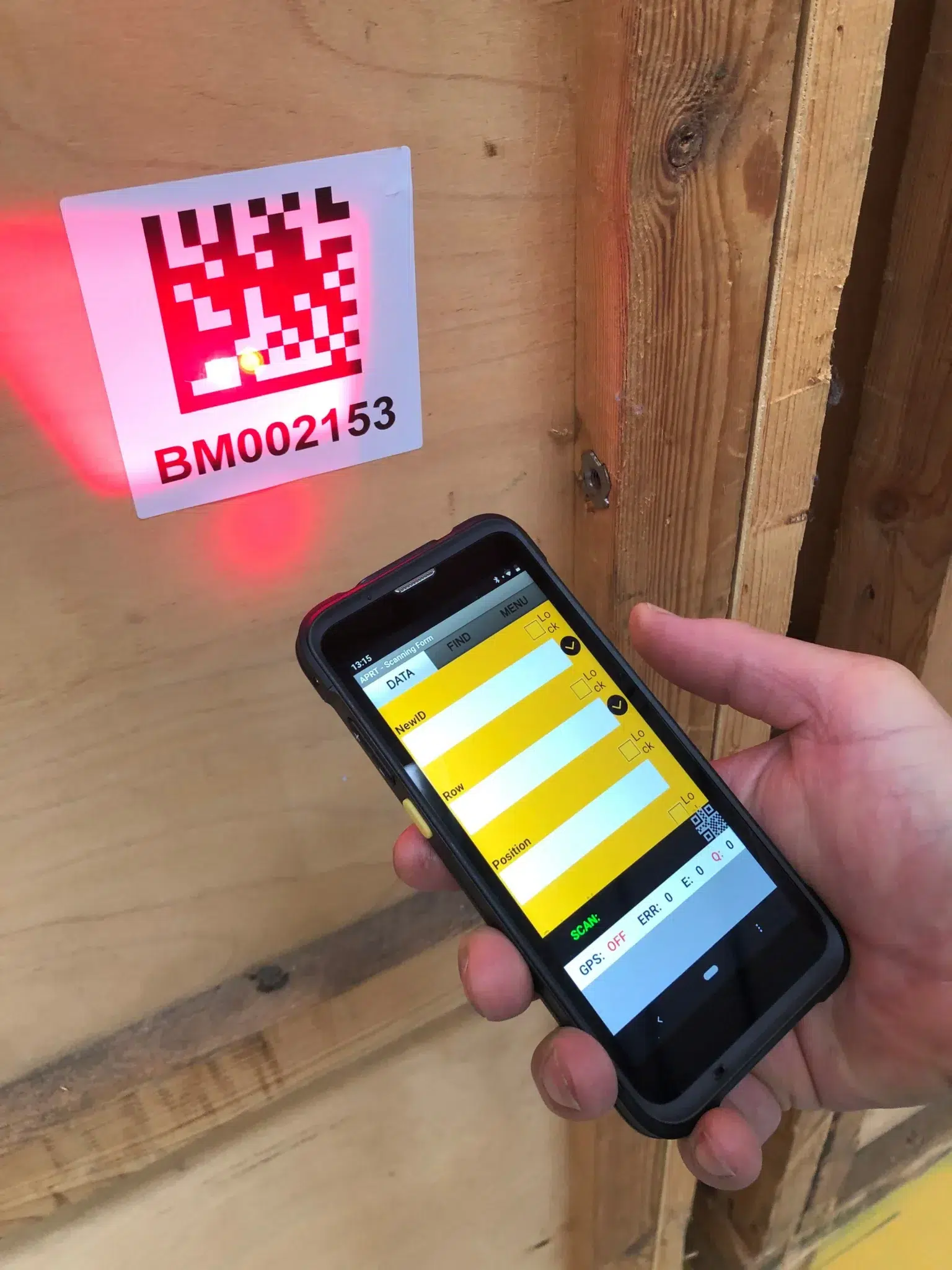
  • How will stock and assets be labelled, tracked and matched to their new locations?
  • What access, loading, parking or vehicle windows apply at each site?
  • When can IT, scanners, workstations or network equipment be taken offline?
  • What happens to racking, shelving and any fixed equipment?
  • Is temporary storage needed between the two sites?
  • Who signs off handover and confirms that priority stock and assets are where they need to be?

For businesses with live order flow, sequence matters as much as transport. Our team is adaptable and capable of using detailed packing lists and moving stock by sales priority, answering that same ‘what moves first’ question with the products the new fulfilment operation needs most.

diagonal-detail
Talk to Our Business Relocation Team

A warehouse is made up of different asset types with different dependencies. Planning them as separate workstreams makes it easier to decide what can move together and what needs its own method, timing or specialist support.

AreaWhat needs planningBishop’s Move support
Stock and inventoryPriority, labelling, destination location and when each stock group must become available.Auditing, inventory planning and asset tagging can support control of items through the move.
Racking and shelvingWhat must be dismantled, moved, reinstalled or replaced, and who is responsible for each stage.Confirm the racking scope during assessment and identify any specialist third-party requirements before move day.
IT and connected equipmentCut-off times, dependencies, workstations, scanners, network equipment and restart sequence.Office and IT relocation requirements can be included in the wider commercial move scope.
Specialist machinery and equipmentWeight, access, lifting, isolation, transport method and any technical or supplier attendance.Define specialist responsibilities during scoping so handling and third-party requirements are clear before work begins.
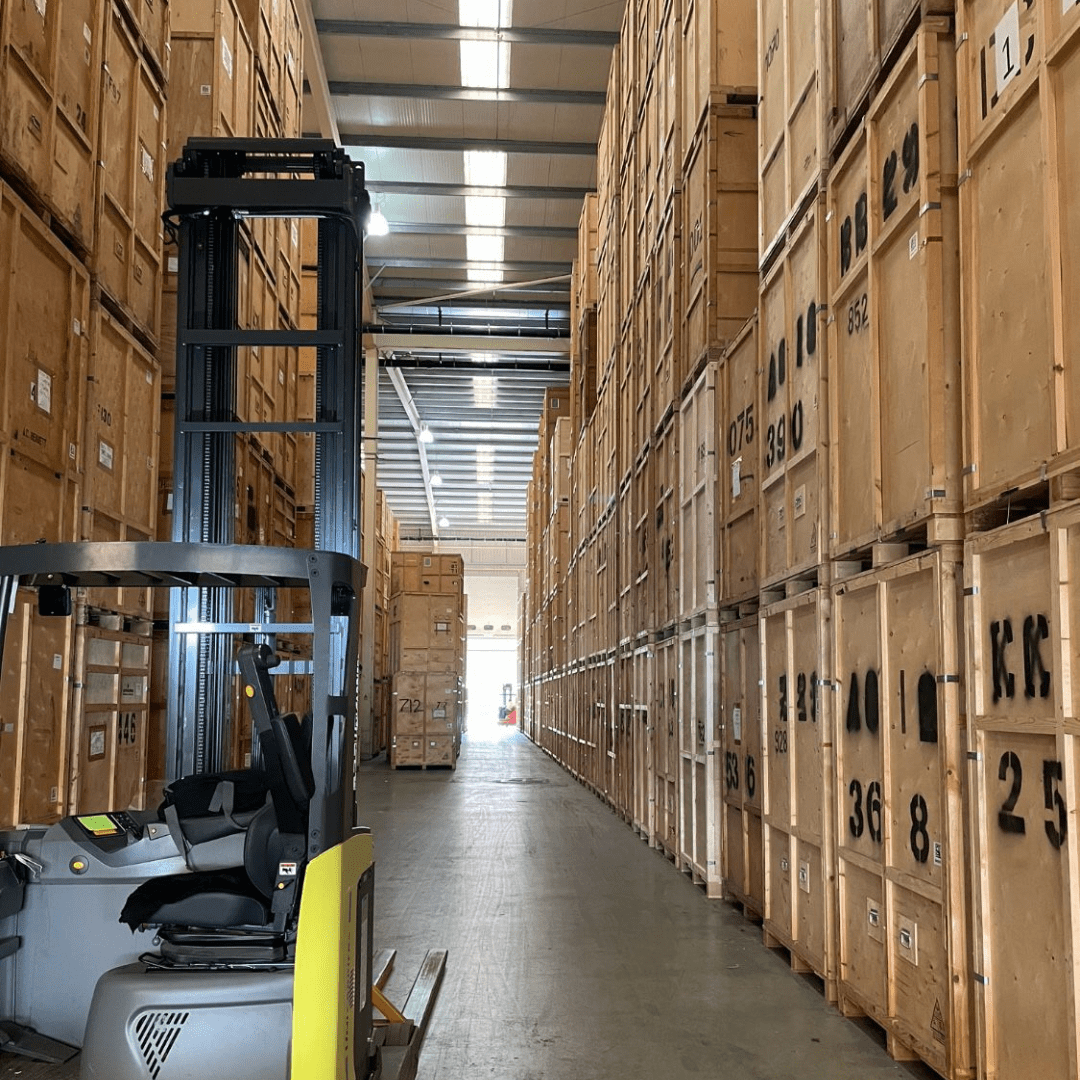
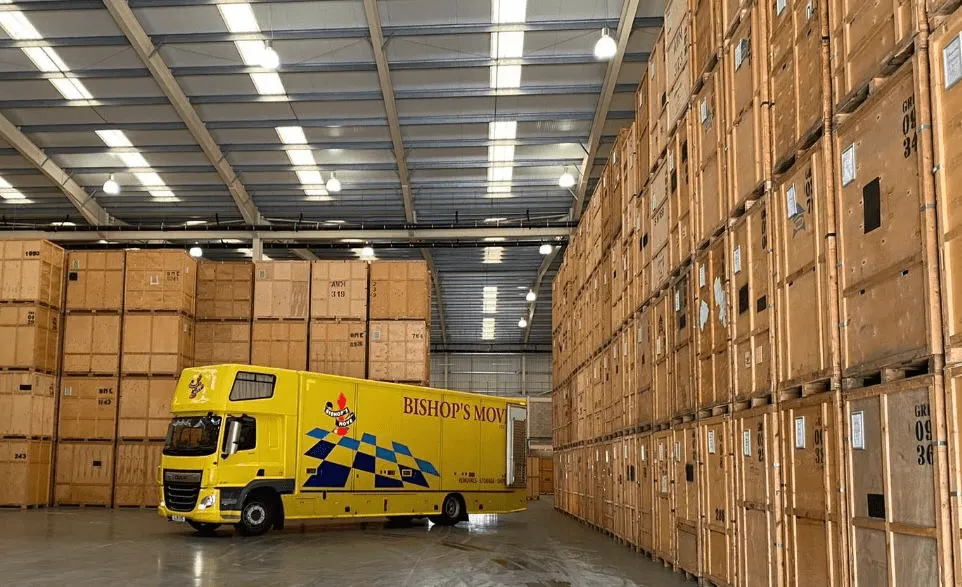
Temporary storageWhat cannot move directly, access frequency, storage duration and return-to-site sequence.Warehouse storage can provide a staging option between sites where required.

If racking has to be cleared before stock can be lifted, or IT needs to stay live until a final dispatch window, that dependency should be visible in the move plan. The same applies to temporary storage, access restrictions and any third-party supplier whose work has to happen before or after the removal team.

Media Text Image Vertical lines

The best move programme is built around the business calendar rather than forcing the operation around a generic removal schedule. Depending on the site and agreed scope, that may mean moving by area, stock category or operational priority, or scheduling work around quieter periods and weekends.

Keep the critical operating windows visible throughout planning. If dispatch has a daily cut-off, receiving cannot start until a certain time, or a particular stock group must be available on day one at the new site, those points should be written into the programme and shared with everyone responsible for the move.

Temporary storage, covered above, is another way to keep a tight schedule realistic where lease dates or fit-out work rule out a direct transfer.

For larger commercial moves, project and move management should give your team one agreed plan for responsibilities, timings, dependencies and escalation. That makes it easier for facilities, operations and warehouse teams to make decisions without having to coordinate several disconnected moving tasks themselves.

Media Text Image Vertical lines

Bishop’s Move’s commercial experience includes The Lightbulb Company, which moved from a 14,000 sq ft self-managed warehouse in Bicester to a third-party fulfilment facility in Membury. The five-day relocation used detailed packing lists and prioritised stock by sales importance so the receiving facility could support its new picking and packing system.

The wider business and commercial case-study library also includes a Bytomic warehouse relocation from Buckingham to Northampton, alongside office, education, library and other specialist relocation projects. These examples give procurement and operations teams a clearer view of the type of planning and delivery evidence available before appointing a supplier.

Download your free guide to our Warehouse Relocation Services

Bishop’s Move was founded in 1854 and is a founding member of the British Association of Removers. That history means established processes for handling live operations, not a generic removals template. Its commercial relocation services include project and move management, auditing, asset tagging, IT relocation and secure storage, giving warehouse clients access to related support where it forms part of the agreed move scope.

For a warehouse decision-maker, the practical value is control. The move can be scoped around the two sites, the stock and assets that matter most, the operating windows that cannot be missed and the specialist responsibilities that need to be agreed in advance.

Bishop’s Move also works through a UK branch network, which supports commercial moves that involve regional teams or more than one site. The exact resource plan is agreed for each project rather than treated as a standard warehouse package.

Our Commitment to Excellence

Certified for quality, trusted for service, Bishop’s Move’s industry accreditations ensure your warehouse removal is in expert hands at all times.

diagonal-detail
Discuss Your Warehouse Relocation

Tell us where you are moving from, your preferred move date, the approximate scale of the operation and any stock, storage, IT or specialist requirements that need to be considered. Bishop’s Move can then review the scope and provide a tailored quote for the project.

diagonal-detail
Get a Quote